No products in the cart.

Retatrutide vs Tirzepatide

11
May
May

Retatrutide vs tirzepatide is an increasingly important comparison in metabolic medicine research because the two molecules have different receptor profiles. Tirzepatide activates GIP and GLP-1 receptors, while retatrutide activates GIP, GLP-1 and glucagon receptors.
The distinction matters when interpreting clinical-trial data. Tirzepatide has established clinical use in approved indications, whereas retatrutide remains an investigational triple agonist under evaluation in Phase 3 research. The compounds should therefore not be treated as interchangeable products.
This article compares their mechanisms and published research without converting clinical-trial protocols into personal treatment or dosing instructions.
What Is Retatrutide?
Retatrutide is an investigational triple agonist peptide. It activates three G-protein-coupled hormone receptors: the glucose-dependent insulinotropic polypeptide receptor (GIP), the glucagon-like peptide-1 receptor (GLP-1), and the glucagon receptor.
A randomized Phase 2 study published in the New England Journal of Medicine evaluated retatrutide in adults with obesity or overweight plus a weight-related condition. The study evaluated several dose levels over 48 weeks and assessed body-weight change, safety and dose-response relationships.
Direct answer
Retatrutide is a GIP/GLP-1/glucagon triple-receptor agonist currently being evaluated as an investigational medicine. It is pharmacologically different from tirzepatide because tirzepatide does not activate the glucagon receptor.
What Is Tirzepatide?
Tirzepatide is a dual GIP/GLP-1 receptor agonist. Unlike retatrutide, it does not have glucagon-receptor agonism.
Tirzepatide has been evaluated extensively in Phase 3 clinical trials. In the SURMOUNT-1 obesity trial, 2,539 adults were randomized to once-weekly tirzepatide at 5 mg, 10 mg or 15 mg, or placebo, for 72 weeks.
The trial reported substantial reductions in body weight across the studied tirzepatide doses. Gastrointestinal adverse events were the most common adverse events and were predominantly mild to moderate, occurring mainly during dose escalation.

Retatrutide vs Tirzepatide: Key Differences
The central difference in retatrutide vs tirzepatide is receptor activity. Retatrutide is a triple agonist, whereas tirzepatide is a dual GIP/GLP-1 agonist.
| Characteristic | Retatrutide | Tirzepatide |
|---|---|---|
| GIP receptor | Yes | Yes |
| GLP-1 receptor | Yes | Yes |
| Glucagon receptor | Yes | No |
| Classification | Triple agonist | Dual agonist |
| Clinical development status | Investigational | Established approved medicine for specific indications |
| Human clinical research | Phase 2 and Phase 3 research | Extensive Phase 3 clinical evidence |
This table describes documented pharmacology and development status; it does not establish that one medicine is universally more appropriate than the other.
How Does Retatrutide Work?
Retatrutide works through simultaneous activation of GIP, GLP-1 and glucagon receptors. This combined mechanism is the defining feature of the molecule and is the basis for ongoing GLP-1/GIP/Glucagon research.
01
GIP
GIP signalling participates in nutrient-related insulin secretion and metabolic regulation.
02
GLP-1
GLP-1 signalling is involved in glucose-dependent insulin secretion, appetite regulation and gastrointestinal physiology.
03
Glucagon
Glucagon signalling has important roles in energy metabolism and fuel utilisation.
Tirzepatide shares the GIP and GLP-1 components but does not include glucagon receptor activation. This receptor-level distinction is more useful scientifically than treating the two compounds as interchangeable versions of the same therapy.

Retatrutide vs Tirzepatide: Safety and Reported Adverse Events
Both compounds have been associated with gastrointestinal adverse events in clinical research, but their safety evidence should be interpreted according to the specific molecule, study population, dose and trial design.
Retatrutide research findings
- Nausea was among the commonly reported gastrointestinal events.
- Diarrhoea, vomiting and constipation were also reported.
- Gastrointestinal events were generally mild to moderate in the Phase 2 obesity study.
- Dose-dependent increases in heart rate were observed, peaking around week 24 and declining thereafter.
Tirzepatide research findings
- Gastrointestinal adverse events were the most common adverse events in the SURMOUNT-1 trial.
- Most reported events were mild to moderate.
- Events occurred primarily during the dose-escalation period.
Important interpretation
Published adverse-event findings describe participants in controlled clinical trials. They should not be converted into individualized treatment, dosage or injection instructions.
40 mg Injection Pen Kit Specifications
A stated 40 mg peptide kit specification describes the total quantity claimed for a particular product presentation. It does not establish an approved clinical dose.
Product-specific stability, sterility, concentration, delivery mechanism and storage requirements must come from validated documentation. Clinical-trial dosing protocols should not be presented as consumer storage or dosage guidelines.
| Specification | Retatrutide | Tirzepatide |
|---|---|---|
| Stated quantity | 40 mg presentation | 40 mg presentation |
| Molecular classification | Investigational triple agonist | GIP/GLP-1 dual agonist |
| Delivery presentation | Product-specific pen presentation | Product-specific pen presentation |
| Stability | Must be verified from applicable product documentation | Must follow the approved product’s official instructions |
| Storage | Use only verified product-specific storage instructions | Follow the instructions applicable to the approved product |
Storage and dosage warning
Do not infer a storage temperature, beyond-use period or personal injection dose from the “40 mg” quantity alone. These parameters depend on the specific formulation and validated product documentation.
Research Product Information
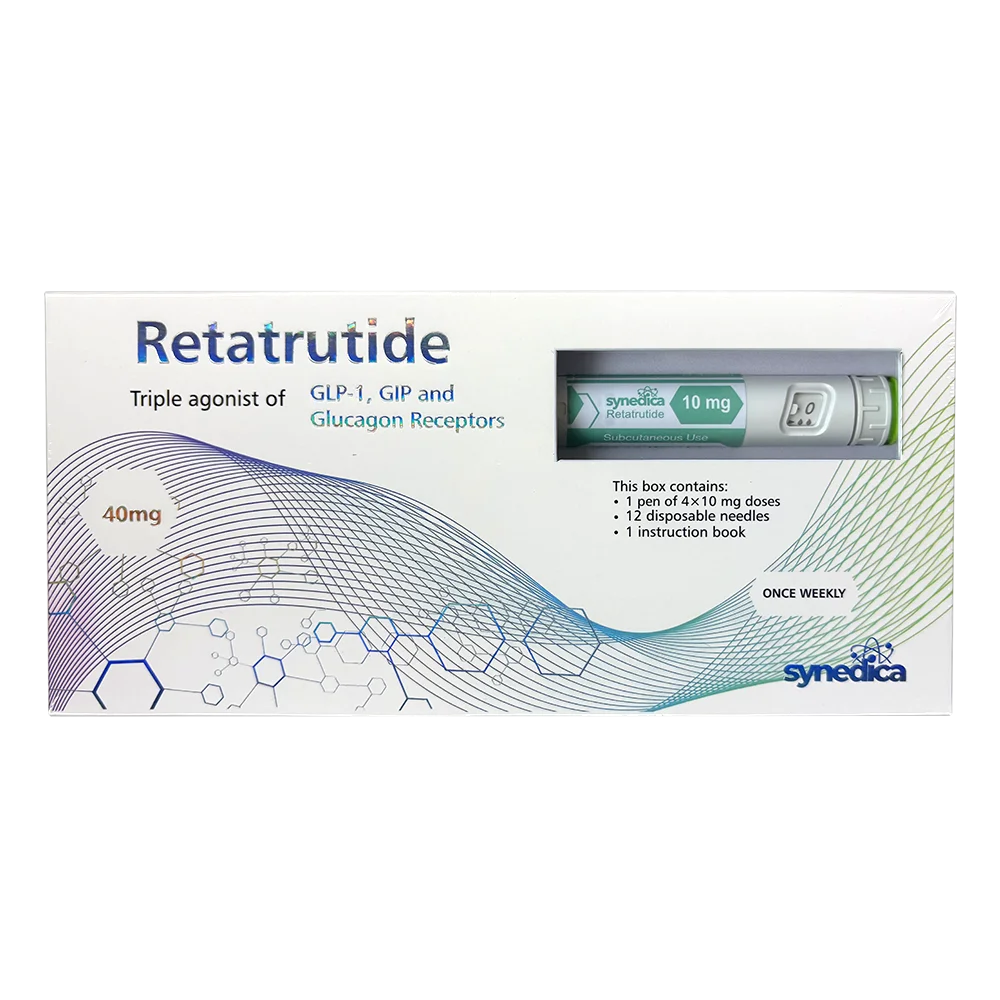
INVESTIGATIONAL
Retatrutide 40 mg Pen
Research information for a stated 40 mg retatrutide pen presentation. Retatrutide is an investigational GIP/GLP-1/glucagon triple agonist.
View Product Information
Retatrutide remains investigational and is not approved for
routine prescription use.
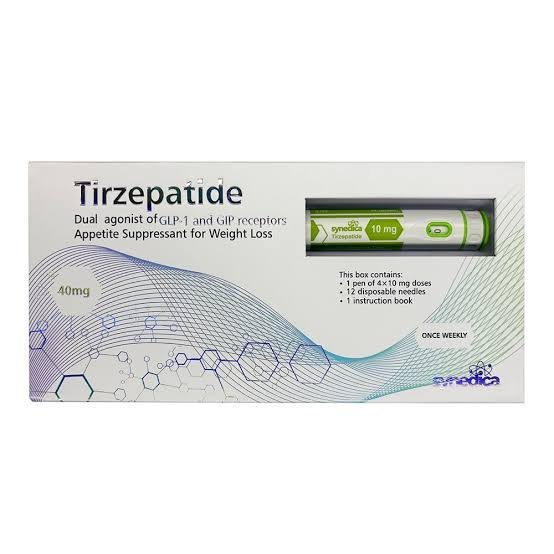
PRODUCT INFORMATION
Tirzepatide 40 mg Injection Pen Kit
Product information for a stated 40 mg tirzepatide pen presentation. Tirzepatide is a GIP/GLP-1 dual receptor agonist.
View Product Information
Product information should not be interpreted as individualized
medical or prescribing advice.
Key Research Findings & Data
Retatrutide Phase 2 obesity research
In the Phase 2 randomized trial, 338 adults with obesity or overweight plus a weight-related condition were assigned to several retatrutide dose groups or placebo for 48 weeks.
At 48 weeks, mean body-weight reductions reached approximately 24.2% with the 12 mg regimen compared with approximately 2.1% with placebo. The investigators reported that gastrointestinal adverse events were the most common adverse events and were dose-related.
Tirzepatide Phase 3 obesity research
The SURMOUNT-1 Phase 3 trial enrolled 2,539 adults with obesity or overweight plus a weight-related complication. Participants received 5 mg, 10 mg or 15 mg of tirzepatide or placebo for 72 weeks.
The trial found substantial and sustained reductions in body weight with all three studied tirzepatide doses. Gastrointestinal adverse events were the most common and were predominantly mild to moderate.
Why direct head-to-head interpretation matters
Published Phase 2 retatrutide and Phase 3 tirzepatide trials had different designs, populations, treatment periods and endpoints. Therefore, numerical results from separate studies should not be treated as a direct head-to-head comparison.
A dedicated Phase 3 study is evaluating retatrutide compared with tirzepatide in adults with obesity. This type of study is designed to provide a more direct comparison than simply placing results from unrelated trials side by side.
Retatrutide UK and Tirzepatide UK
Searches for retatrutide UK and tirzepatide UK can produce very different types of information because the regulatory status of the two compounds is different.
Retatrutide UK
Retatrutide remains an investigational medicine. It is being evaluated in Phase 3 clinical development and is not currently an approved routine prescription medicine.
Tirzepatide UK
Tirzepatide is an established medicine with approved clinical indications in relevant jurisdictions. Its use, prescribing, indications and product-specific instructions should be determined according to applicable UK medical and regulatory requirements.
Key distinction
Retatrutide and tirzepatide should not be treated as interchangeable products. Their receptor profiles and regulatory/development statuses differ.
Frequently Asked Questions
What is the peptide injection pen kit used for?
A peptide injection pen kit is a delivery presentation for a specified compound. Its intended use depends on the compound’s regulatory status, formulation and product documentation.
How does retatrutide differ from older single-receptor agents?
Retatrutide activates GIP, GLP-1 and glucagon receptors, making it a triple agonist. Single-receptor agents act primarily through one receptor pathway, while tirzepatide activates GIP and GLP-1.
How should a 40 mg pen kit be stored?
Storage must follow verified product-specific instructions. The stated 40 mg quantity does not by itself establish a validated temperature, stability period or beyond-use date.
Is retatrutide currently approved for routine clinical prescription?
No. Retatrutide remains investigational and is not currently approved for routine clinical prescription. Its safety and efficacy continue to be evaluated through clinical development.
What is the main difference between retatrutide and tirzepatide?
Retatrutide is a GIP/GLP-1/glucagon triple agonist, while tirzepatide is a GIP/GLP-1 dual agonist. The additional glucagon receptor activity is the principal pharmacological distinction.
How does retatrutide work?
Retatrutide activates GIP, GLP-1 and glucagon receptors. Researchers are studying how this combined receptor activity influences body weight, glucose regulation and other metabolic parameters.
Is retatrutide the same as tirzepatide?
No. They are different molecules with different receptor profiles. Retatrutide is a triple agonist, while tirzepatide is a dual GIP/GLP-1 agonist.
Retatrutide vs Tirzepatide: Research Summary
The most important difference in retatrutide vs tirzepatide is their receptor activity. Retatrutide activates GIP, GLP-1 and glucagon receptors, whereas tirzepatide activates GIP and GLP-1 receptors.
Both molecules have generated substantial clinical research in metabolic medicine. However, their trial programmes have different designs and regulatory contexts, so results from separate studies should not automatically be interpreted as head-to-head evidence.
Retatrutide remains investigational, while tirzepatide has an established clinical and regulatory history in approved indications. Any individual treatment decision should be made using the applicable product information and advice from a qualified healthcare professional.
Peer-Reviewed Research
-
Jastreboff AM, et al.
Triple-Hormone-Receptor Agonist Retatrutide for Obesity —
A Phase 2 Trial.
New England Journal of Medicine.
2023;389:514–526.
View peer-reviewed publication -
Jastreboff AM, et al.
Tirzepatide Once Weekly for the Treatment of Obesity.
New England Journal of Medicine.
2022;387:205–216.
View peer-reviewed publication - Retatrutide Phase 3 research comparing retatrutide with tirzepatide is part of the ongoing clinical development programme. Direct head-to-head conclusions should be based on the results of that dedicated trial rather than cross-trial comparisons.
Medical information notice:
This article is provided for educational and research-information
purposes only. It does not constitute diagnosis, medical advice,
prescribing guidance or a recommendation to use an investigational
medicine. Retatrutide remains investigational and is not currently
approved for routine prescription. Product-specific dosage, storage,
stability and administration information should come only from
appropriate validated documentation and applicable healthcare
professionals.
Explore Tirzepatide UK: For more information about tirzepatide’s dual GIP/GLP-1 mechanism, clinical evidence, safety and UK prescription access, read our Tirzepatide UK clinical guide .

Pingback: Synedica Retatrutide 40mg Pen
Pingback: How Retatrutide Peptide Works
Pingback: Synedica Tirzepatide 40mg | Top UK Research Guide
Pingback: Synedica UK | Peptide Research & Safety Guide
Pingback: Retatrutide Pen Where To Buy UK | Trusted Supplier