No products in the cart.

Understanding GLP-1 Research and Its Role in Metabolic Health
27
May
May
GLP-1 Research: Understanding Its Role in Metabolic Health
Explore how GLP-1 influences appetite, blood glucose and metabolism, and what clinical research tells us about semaglutide, tirzepatide and investigational retatrutide.

What Is GLP-1 Research?
GLP-1 research investigates how a naturally occurring intestinal hormone helps regulate blood glucose, appetite and digestive processes.
Glucagon-like peptide-1, commonly called GLP-1, is released by specialised cells in the intestine following food intake. It belongs to a group of hormones known as incretins, which help coordinate the body’s response to nutrients.
Scientists have studied GLP-1 for decades. Their findings have contributed to the development of medicines for type 2 diabetes and obesity, while providing new insight into the biological relationship between the digestive system, pancreas and brain.
Modern metabolic research also examines how GLP-1 interacts with glucose-dependent insulinotropic polypeptide (GIP), glucagon and other signalling pathways. These investigations are helping researchers understand why medicines with different receptor targets can produce different clinical effects.
Key scientific point: GLP-1 is a hormone naturally produced by the body. GLP-1 receptor agonists are medicines designed to activate the same receptor, although their duration of action and clinical effects can differ from the natural hormone.
How Does GLP-1 Work in the Body?
GLP-1 is released after eating and communicates with several organs involved in metabolic regulation.
1. Blood glucose regulation
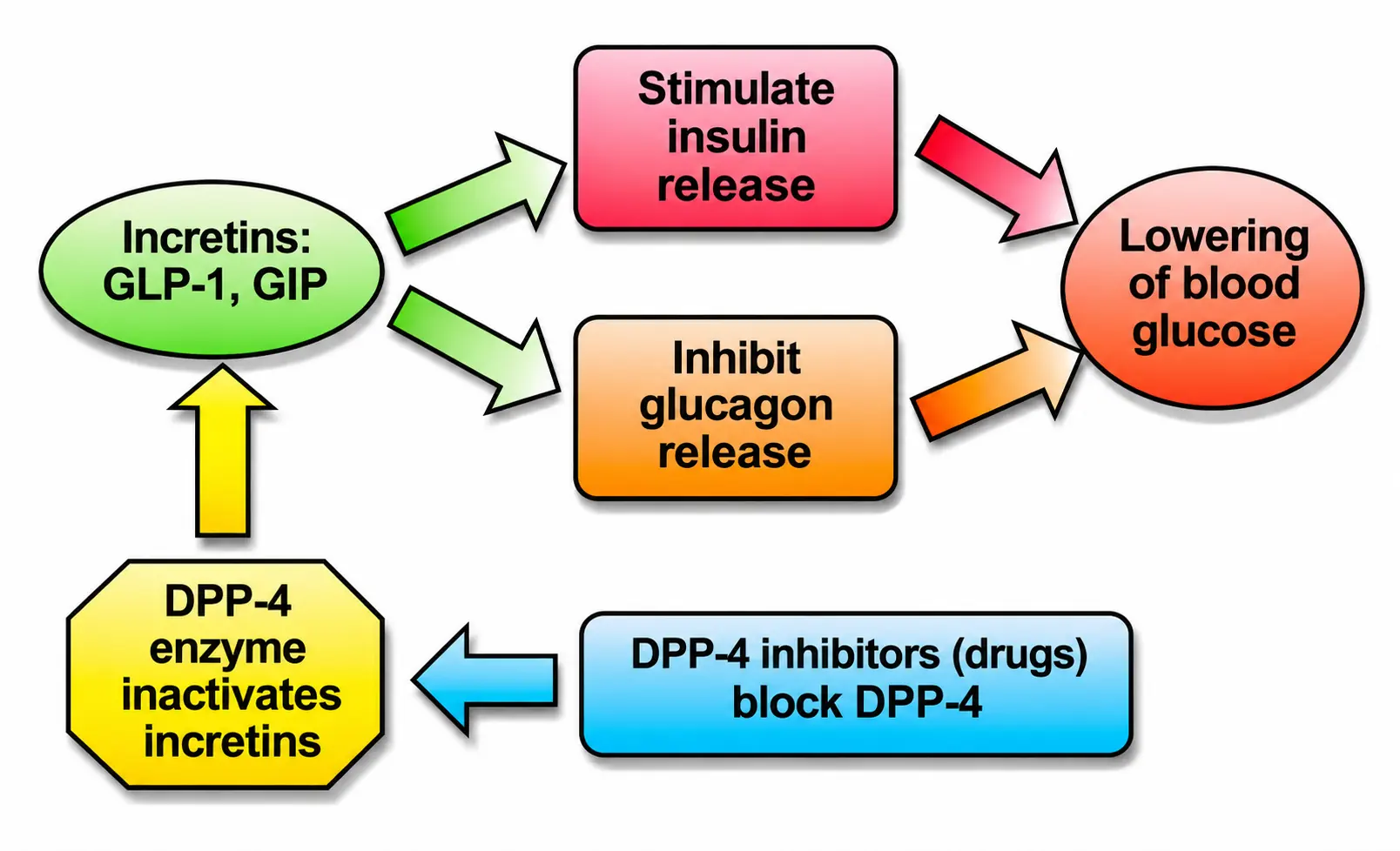
GLP-1 stimulates insulin secretion when blood glucose is elevated. It also reduces glucagon secretion in certain physiological conditions, helping regulate glucose levels after meals.
2. Appetite and fullness
GLP-1 receptor signalling influences brain pathways involved in hunger, satiety and food intake. This is one reason the hormone has become an important target in obesity research.
3. Gastric emptying
GLP-1 can slow the rate at which food leaves the stomach. The extent of this effect depends on the medicine, treatment duration and individual physiological response.
Why Is GLP-1 Important for Metabolic Health?
Metabolic health describes how the body processes and regulates energy, including blood glucose, lipids and other biological functions. These processes depend on coordinated signals between the pancreas, liver, intestine, brain and other tissues.
GLP-1 research is particularly relevant to obesity and type 2 diabetes because these conditions involve changes in appetite regulation, insulin action and energy balance.
Glucose
Incretin signalling helps regulate insulin responses following food intake.
Appetite
GLP-1 receptor activity influences biological pathways associated with hunger and fullness.
Metabolism
Researchers investigate how hormone signalling affects body weight and related metabolic outcomes.
Clinical research is also examining cardiovascular, kidney and other outcomes associated with particular GLP-1-based treatments. These findings must be interpreted for each individual medicine and the population studied, rather than applied automatically to every compound in the class.

How Has Peptide Research Advanced?
Peptides are molecules composed of amino acids. Many naturally occurring hormones are peptides, including GLP-1 and GIP.
Scientists can investigate the structure of peptide molecules and modify certain properties to study receptor activity, stability and duration of action.
Natural GLP-1 is rapidly broken down by the enzyme dipeptidyl peptidase-4 (DPP-4). Some GLP-1 receptor agonist medicines have been engineered to resist rapid breakdown, allowing longer-lasting receptor activity.
Developing a medicine requires more than demonstrating receptor activity in a laboratory. Researchers must also evaluate pharmacology, manufacturing quality, safety, effectiveness and appropriate clinical use.
Semaglutide, Tirzepatide and Retatrutide: What Is the Difference?
These three compounds are often discussed in metabolic health research, but they differ in the hormone receptors they activate and their clinical development status.
| Compound | Receptor activity | Research and clinical status |
|---|---|---|
| Semaglutide | GLP-1 | Used in authorised medicines for specific indications. |
| Tirzepatide | GIP + GLP-1 | Used in authorised medicines for specific indications. |
| Retatrutide | GIP + GLP-1 + glucagon | Investigational medicine undergoing clinical development. |
Semaglutide activates the GLP-1 receptor. Tirzepatide activates both GIP and GLP-1 receptors. Retatrutide is being investigated as a triple-receptor agonist that also activates the glucagon receptor.
The addition of another receptor target does not automatically establish clinical superiority. Differences in effectiveness, adverse effects and long-term outcomes must be assessed through appropriately designed trials.
For more information, read our guide explaining what retatrutide is and how its triple-receptor mechanism differs.
What Does Clinical Research Tell Us About Retatrutide?
Retatrutide is an investigational peptide developed by Eli Lilly. It is designed to activate the GIP, GLP-1 and glucagon receptors within a single molecule.
A randomised Phase 2 study published in the New England Journal of Medicine in 2023 examined retatrutide in adults with obesity or overweight and a weight-related condition.
At 48 weeks, the trial reported an average body-weight reduction of 24.2% in the 12 mg treatment group. This result describes a specific study group and should not be interpreted as an expected outcome for every person.
Gastrointestinal adverse events were common, and dose-related increases in heart rate were also reported. Larger clinical studies are important for assessing longer-term safety and effectiveness.
Explore our educational article on retatrutide weight-loss injection clinical evidence.

How Do Scientists Evaluate GLP-1 Medicines?
Before a new medicine can be widely used, researchers investigate whether its proposed biological effects translate into meaningful and acceptably safe clinical outcomes.
Preclinical investigation
Laboratory and animal studies help researchers understand receptor activity, pharmacology and potential safety concerns. These findings guide subsequent research but cannot establish that a compound is safe or effective in humans.
Early clinical trials
Initial human studies investigate safety, tolerability, pharmacokinetics and suitable ranges for further investigation. Participants are monitored under controlled research conditions.
Larger controlled studies
Later trials may compare an investigational medicine with placebo or an existing treatment. Researchers examine predefined outcomes, adverse events, treatment discontinuation and clinically relevant differences between groups.
Long-term evidence
Longer follow-up and post-authorisation studies can identify outcomes and safety issues that may not be fully apparent during shorter clinical trials.
A published clinical-trial result is evidence about the studied treatment, dose, population and follow-up period. It does not establish that products sold outside authorised channels have equivalent quality, safety or effectiveness.
GLP-1 Research in the UK: What Should Readers Know?
UK readers researching GLP-1 medicines should distinguish between treatments authorised for specific medical conditions and compounds that remain under investigation.
Different medicines may have different indications, prescribing requirements, contraindications and safety considerations. Their use should be based on an individual clinical assessment rather than social-media trends or claims made in online product descriptions.
Investigational compounds such as retatrutide should not be confused with authorised prescription treatments. A clinical-trial formulation, an online research product and an approved medicine are not interchangeable.
Readers interested in the biological mechanisms can explore how retatrutide works through three hormone receptors.
What Are the Potential Risks of GLP-1-Based Treatments?
Safety is an essential part of metabolic medicine research. Although adverse-effect profiles differ between compounds, gastrointestinal symptoms are commonly reported with several GLP-1-based medicines.
These may include nausea, vomiting, diarrhoea and constipation. Some medicines also carry important warnings or precautions relating to pancreatitis, gallbladder problems, dehydration and other clinical considerations.
Researchers assess how frequently adverse events occur, their severity, whether participants discontinue treatment and whether risks differ between treatment groups.
For investigational medicines, important uncertainties may remain until larger studies and longer follow-up periods are available.
What Is the Future of GLP-1 and Metabolic Research?
Scientists continue to investigate medicines that act on one or several hormone receptors. An important research question is whether combining pathways can produce clinically meaningful benefits while maintaining an acceptable safety profile.
Other areas of investigation include treatment persistence, preservation of lean tissue, cardiovascular outcomes and the biological differences between patients who respond differently to the same medicine.
Progress will depend on reproducible clinical findings, transparent reporting and careful evaluation of both benefits and harms.
For a separate overview of peptide mechanisms and research terminology, see the Retatrutide and Tirzepatide Peptide UK Guide. This is supplementary commercial research content, not a substitute for peer-reviewed clinical evidence.
Frequently Asked Questions About GLP-1 Research
What is GLP-1 and why is it important?
GLP-1 is an incretin hormone produced in the intestine. It helps regulate glucose-dependent insulin secretion, appetite and gastrointestinal function.
How does GLP-1 affect appetite?
GLP-1 receptor signalling influences brain pathways associated with hunger and fullness. Medicines that activate this receptor can reduce food intake in appropriate clinical settings.
Is tirzepatide the same as semaglutide?
No. Semaglutide activates the GLP-1 receptor, while tirzepatide activates both GIP and GLP-1 receptors.
What makes retatrutide different?
Retatrutide is an investigational triple agonist designed to activate GIP, GLP-1 and glucagon receptors. Its clinical safety and effectiveness continue to be evaluated.
Can GLP-1 medicines cause side effects?
Yes. Gastrointestinal symptoms are common with several medicines in this category. Individual risks depend on the medicine, medical history and other clinical factors.
Why are clinical trials important?
Controlled clinical trials help determine whether a treatment is effective, identify adverse events and assess whether its benefits justify its risks in defined populations.
Scientific References and Further Reading
The following peer-reviewed publications provide additional scientific background. These are non-governmental journal sources.
- Jastreboff AM et al. Triple-Hormone-Receptor Agonist Retatrutide for Obesity — A Phase 2 Trial. New England Journal of Medicine, 2023. Read the research.
- Jastreboff AM et al. Tirzepatide Once Weekly for the Treatment of Obesity. New England Journal of Medicine, 2022. Read the clinical trial.
- Wilding JPH et al. Once-Weekly Semaglutide in Adults with Overweight or Obesity. New England Journal of Medicine, 2021. Read the STEP 1 study.
Conclusion: Why GLP-1 Research Matters
GLP-1 research has transformed scientific understanding of appetite regulation, blood glucose control and metabolic health. It has also contributed to the development of medicines used in the clinical management of obesity and type 2 diabetes.
Ongoing investigation into dual- and triple-receptor agonists may expand this field further. However, scientific progress requires careful distinction between established evidence, emerging trial findings and medicines that remain investigational.
Synedica Health UK aims to make complex metabolic research more accessible through clear explanations and references to published scientific evidence.
